
The urgency of investing in nonprofits in Latin America
Latin America is not lacking in diagnoses or organizations capable of building solutions. The challenge lies elsewhere: as social gaps widen, those working to close them do not receive the recognition, resources, or capabilities needed to scale their impact. With international cooperation on the decline, strengthening these nonprofits can no longer wait.
The region faces deep challenges: poverty, unemployment, gender inequality, and a lack of job opportunities. According to ECLAC, 26% of the Latin American population lived in poverty in 2024, with 10% living in extreme poverty. Climate vulnerability is also rising: in 2024 alone, the region recorded 56 natural disasters that affected more than 6 million people.
Against this backdrop, nonprofits are far from secondary actors. They are building solutions in places and communities that other systems often fail to reach. For years, they have generated evidence, driven change, and strengthened communities—often swimming against the current.
Yet support has not kept pace with these challenges. In 2025, official development assistance fell by 23%, the largest annual decline on record according to the OECD. At the same time, Hispanics in Philanthropy notes that less than 1% of philanthropic support reaches Latin America.
The problem is not that Latin America lacks solutions. It is that many of the nonprofits creating them still lack access to the resources, partnerships, and capabilities necessary to scale.

Nonprofits already creating solutions
These cases show what happens when nonprofits combine local knowledge, innovation, technology, and data. These are not isolated examples but evidence of what is possible when the social sector has the conditions to grow.
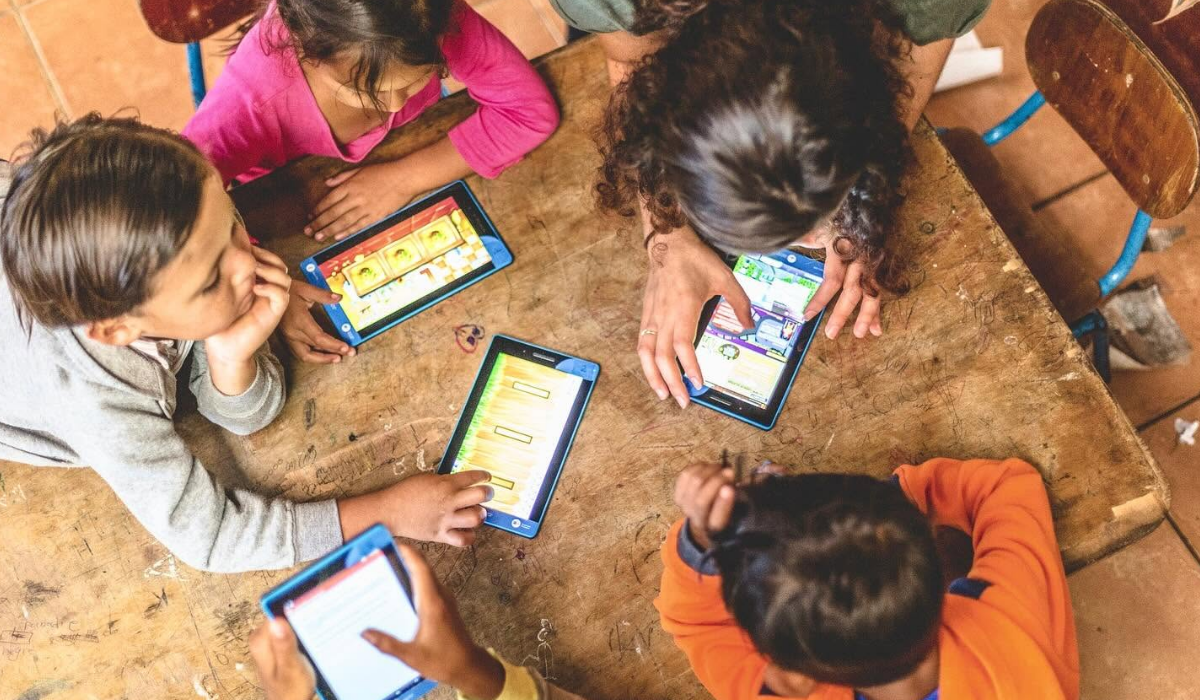
Education without internet for thousands of students
Project Alianza brings quality education to rural communities across Central America. Its offline learning platform, AnGo, personalizes literacy instruction and has already reached more than 48,000 students.
Technology to open up opportunities
Democratizing Innovation combines training with digital tools to help young entrepreneurs in Mexico build stronger businesses. More than 4,200 people have participated in its programs.
Women building economic autonomy
Trickle Up combines seed capital, training, and financial inclusion to help women living in extreme poverty build sustainable livelihoods. Its programs have reached more than 2.3 million people.
These examples reveal a simple truth: nonprofits don't just bridge gaps; they build the capacity to strengthen entire communities. With the right resources and tools, they turn support into opportunities and opportunities into impact.
.png)
What needs to change
Putting nonprofits at the center requires more than recognition. It requires changing how we invest in their ability to build, learn, and grow.
1. Fund innovation, not just projects
For years, social funding has focused on specific projects and short-term results. Organizations need flexible resources to invest in the teams, technology, and learning that will allow them to scale.
2. Technology and AI to multiply impact
Technology is more than just an operational tool: it helps nonprofits improve processes, measure results, and reach more people. If AI is transforming how we solve problems, social organizations need access to it as well.
3. Create conditions to scale
Strengthening the social sector also means reviewing the regulatory and bureaucratic barriers that make it difficult to operate, innovate, and build partnerships. Nonprofits need ecosystems that recognize them as strategic players in solving public challenges.
Nonprofits have already proven their importance through the impact they create every day. What is at stake now is whether we will build the conditions for them to continue moving forward.
In a region where gaps remain enormous and resources are shrinking, weakening them carries too high a collective cost: opportunities that never arrive, talent that never takes off, and proven solutions that fail to reach their full potential.


.png)